

How to Set Up a Home Art Studio in India
You don't need a dedicated room to have a proper art setup. Some of the best work gets made at kitchen tables, in corners of bedrooms, or on balconies. What matters is that your space works for you, comfortable, organized, and set up so you can start painting without spending 20 minutes hunting for supplies.
Choosing Your Spot
- Good natural light: Light from a north-facing window is ideal, steady and diffused without harsh shadows. Avoid direct afternoon sun, which creates glare and dries paint too fast.
- Ventilation: A ceiling fan or window access helps, especially with spray fixatives.
- A flat, stable work surface: A table, desk, or even a drafting board on a lap tray works. You can't paint well on a wobbly surface.
- Easy to clean: Tiled or hard floors are much easier than carpet. Put down old newspapers or a plastic mat to protect surfaces you care about.
Essential Supplies to Have Ready

Layer 1: The Basics
- A set of acrylic or watercolor paints
- A basic brush set (7 to 8 assorted brushes)
- Cartridge paper or watercolor paper
- A wooden palette
- Two small water jars (one for rinsing, one for clean water)
- Paper towels or an old cloth
Layer 2: Once You're Painting Regularly
- Canvas boards in a couple of sizes
- A small tabletop easel
- More specialized brushes (liner, mop, angular)
- Masking tape and a flat board to tape paper to
- A spray bottle to keep paints moist

Layer 3: For Serious Work
- A proper adjustable easel (floor or tabletop)
- A flat file or portfolio for storing finished work
- A daylight LED lamp for evening painting sessions
- A dedicated brush holder (not a regular cup, which bends the bristles)
Organizing Your Space
- Keep everything visible: Supplies in drawers get forgotten. Use open containers and trays so you can see what you have at a glance.
- Group by medium: Keep watercolor supplies together, acrylic supplies together.
- Store paper flat: Cartridge and watercolor papers should stay flat in a cool, dry place. Humidity causes wavy paper and acid damage over time.
- Brush care station: A flat tray to lay brushes on while drying, and a holder (bristles up) for storage. Never store brushes bristle-down in a jar.
Lighting Your Workspace
Painting under warm yellow light makes your colors look different than they actually are. When you take the work to natural light, everything looks off.
- Natural daylight from a north window is ideal
- For evening sessions, invest in a daylight LED lamp (5000K to 6500K color temperature)
- Avoid painting directly under a ceiling fan or AC vent. It dries paints too fast.
A Realistic Budget for India
| Item | Estimate (INR) |
|---|---|
| 53-piece beginner painting kit (brushes, paints, canvas, paper, easel, palette) | 995 |
| Extra pack of watercolor paper A4 | 299 to 499 |
| Two water jars (repurpose old glass jars) | Free |
| Newspaper or plastic mat to protect table | Free |
What Most Beginners Get Wrong
- Buying too much at once. Start small and learn what you actually use.
- Not protecting the table. Acrylic paint stains permanently.
- Bad lighting. Painting under warm lamp light then seeing it in daylight is frustrating.
- Storing supplies in boxes. Out of sight, out of mind. You'll stop painting.
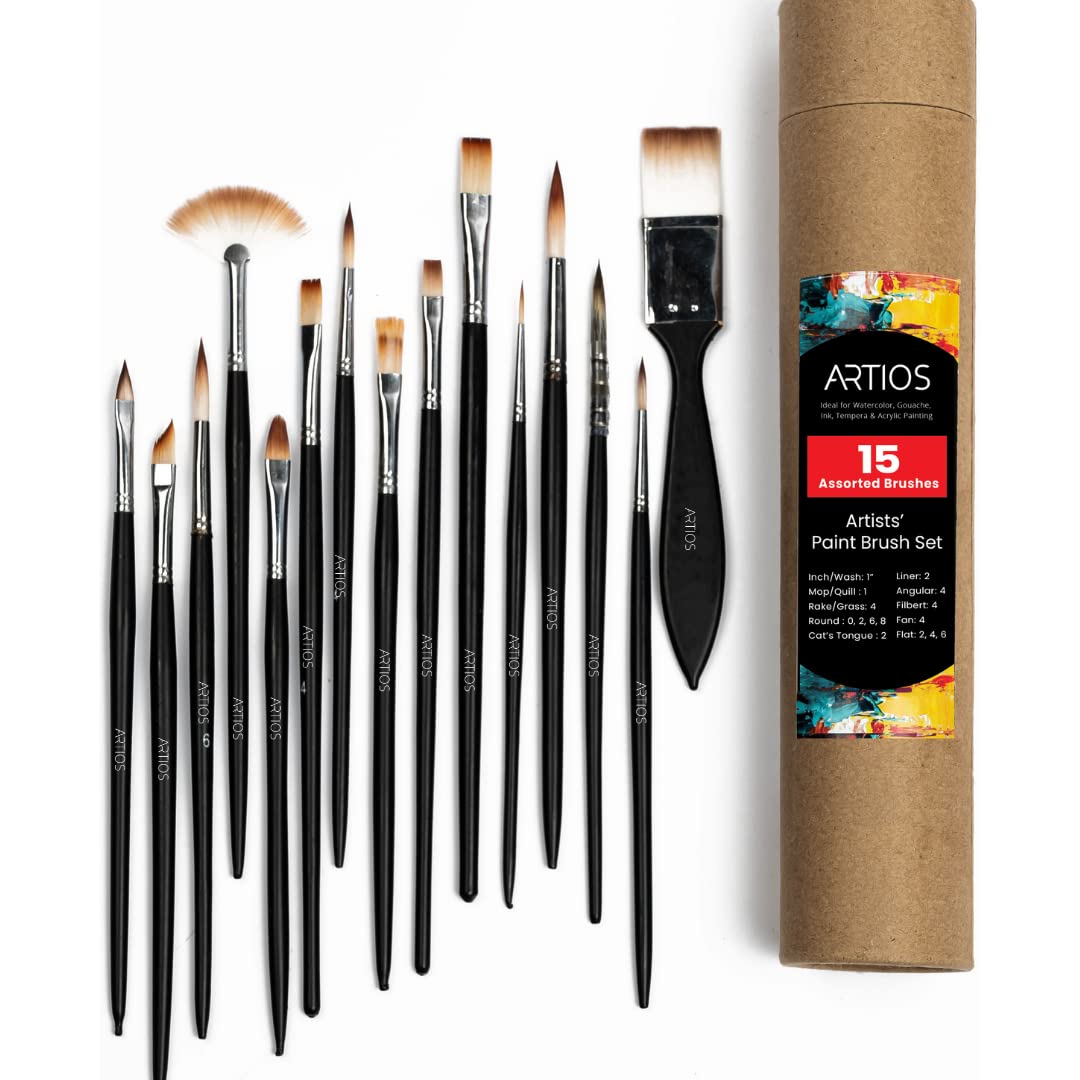
If you want to start with one purchase, the ARTIOS Painting Kits include brushes, paints, canvas boards, papers, a palette, and an easel, all in one box. The most cost-efficient way to set up without buying everything separately.